
Dear Diary,
I am not sure whether I am writing to you or reclaiming you.
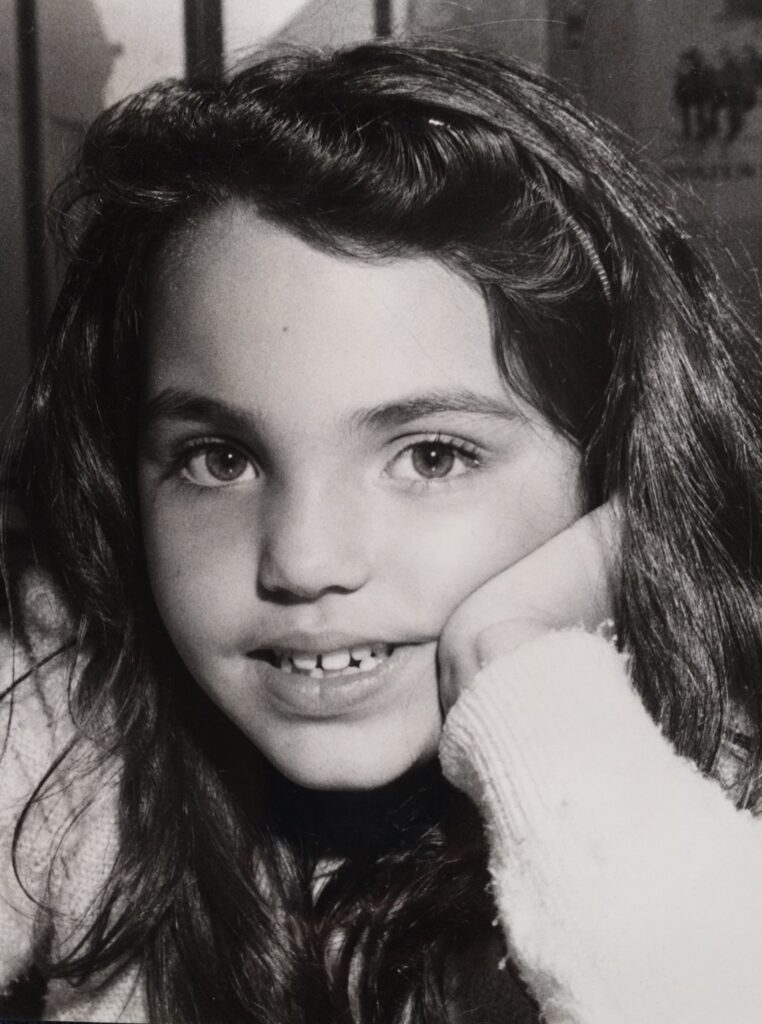
When I was ten years old, I got my first real diary. It was not just a notebook to me: it was a portal. For the first time in my life, I had a place where my thinking could exist outside of me without being interrupted, corrected, or evaluated. I was a very aware child, intensely observant, constantly analyzing the world around me, and that little book became the only place where I could lay all of it down. I took it everywhere.
At that time, my parents were looking for a new car, and spending entire weekends dragging me from one car dealership to another, long afternoons of fluorescent lighting and adult conversations that did not include me. I would sit in waiting areas, legs dangling from chairs that were too high, writing furiously about how bored I was, how trapped I felt, how unfair it seemed that my time was not my own. I remember writing that they were a pain in the ass for dragging me around like this. It was not a philosophical statement. It was the raw truth of a ten-year-old who needed somewhere to put her frustration.
And then one day my mother demanded to read it. I did not want to show her. The diary was not written for her. It was not written for anyone. It was the first space that felt entirely mine. But I learned very quickly that it was not mine after all. I had to hand it over. She read it. She found the sentence about them being a pain in the ass. And instead of a conversation, what followed was distance. The silence treatment for days.
What I absorbed in that moment was not simply that I had been disrespectful. What I absorbed was that my inner world was not sovereign. That what I thought and felt was available for inspection. That even my most private reflections could be confiscated and judged.
After that, diaries became complicated. I tried again as a teenager, but something in me no longer trusted the act. Writing for myself no longer felt safe. Over time, I became very skilled at delivering my inner world in ways that were acceptable to others. I learned how to articulate my thoughts beautifully, but also how to anticipate how they would land. I learned to narrate myself in ways that would not provoke rejection. In subtle ways, my inner world belonged to others.
It has taken me years to untangle that. Years to understand that self-authorship is not a metaphor. It is a practice. It is the ongoing choice to decide what I share, when I share it, and why. It is the difference between exposure and offering. Between being read and choosing to be seen.
This blog is called The Coherence Diary not because I believe in romanticizing vulnerability, but because I am reclaiming the act of writing to myself. These entries are not polished teachings. They are not finished frameworks. They are the place where I let my thinking unfold before it becomes structured, packaged, or systematized.
I am choosing to let others read along. And there is something profoundly different about that choice. Because this time, no one is demanding to see the page.